How Washington's Own Missteps Handed Beijing a Strategic Opening


I. The Gift of American Distraction
A Tariff Policy That Punished Allies First
The United States re-escalated tariff pressure in 2025 with a breadth that caught even friendly trading partners off guard. Duties on steel and aluminum were extended to cover South Korean, Japanese, and European producers — countries that had spent years aligning their supply chains with Washington's stated industrial policy goals. The immediate effect was not a weakened China. It was a set of irritated allies quietly reassessing their dependence on American trade architecture.
China moved quickly into that space. Beijing offered preferential terms to several Southeast Asian manufacturers displaced by the tariff cascade, accelerating its own trade corridor investments under the Belt and Road framework. The irony is structural: American tariff policy, designed to contain Chinese industrial capacity, created demand for Chinese alternatives in the markets it was meant to protect.
The Iran File as Strategic Theater
The Iran nuclear negotiations have lurched through multiple collapse-and-restart cycles, with the United States oscillating between maximum pressure postures and back-channel diplomacy that neither side fully trusts. Each oscillation costs Washington credibility with the Gulf states, which have their own calculations about long-term security guarantors. Saudi Arabia and the UAE have both deepened economic engagement with Beijing during the same period — not because they prefer Chinese political values, but because Chinese consistency is a commodity in short supply from Washington right now (WSJ).
China does not need to broker a deal on Iran to benefit from the chaos. It needs only to remain a predictable counterparty while the United States appears unpredictable. That is a low bar, and Beijing is clearing it with room to spare.
II. What China Is Actually Doing With the Opening
Trade Architecture, Not Just Trade Volume
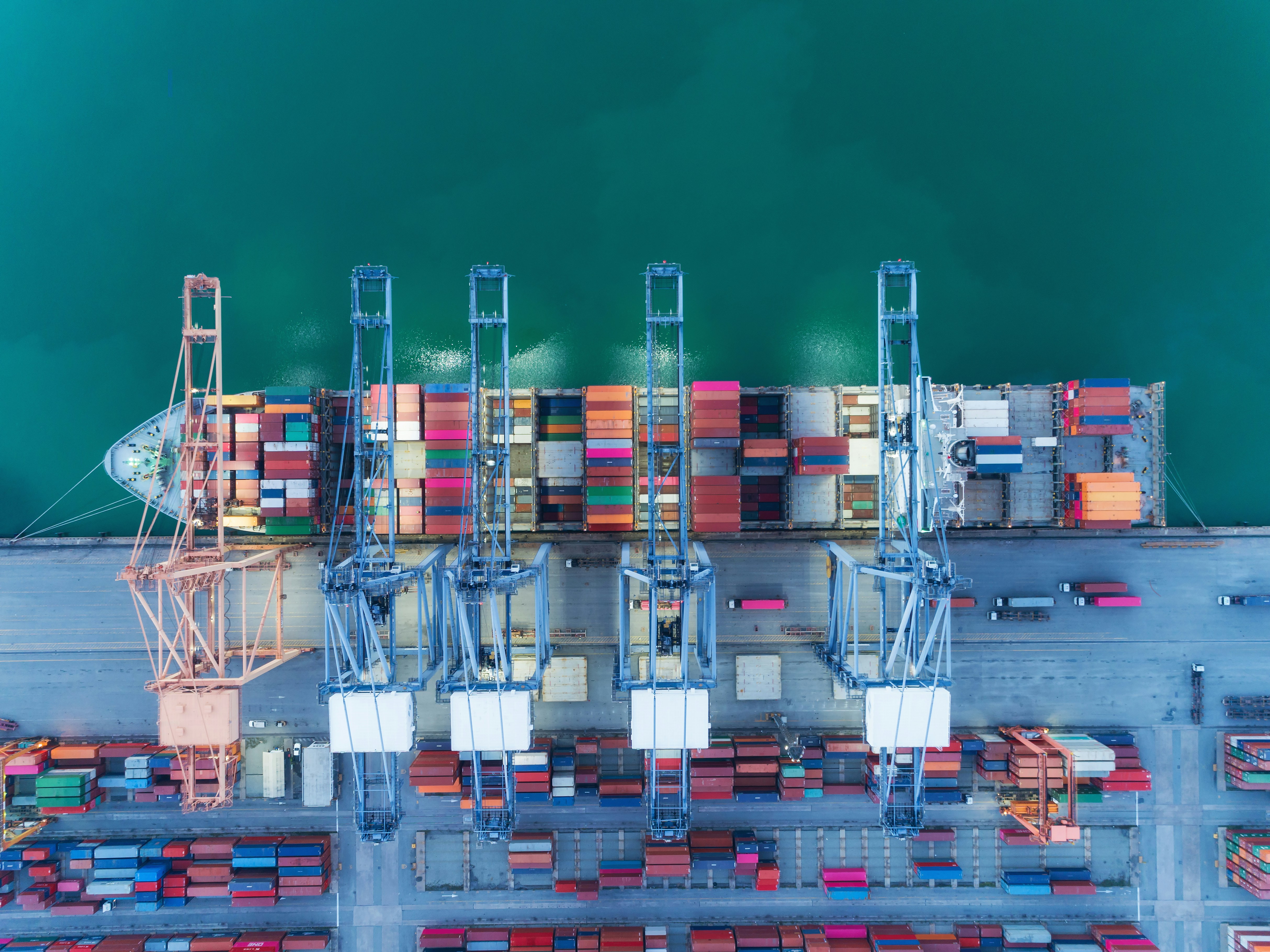
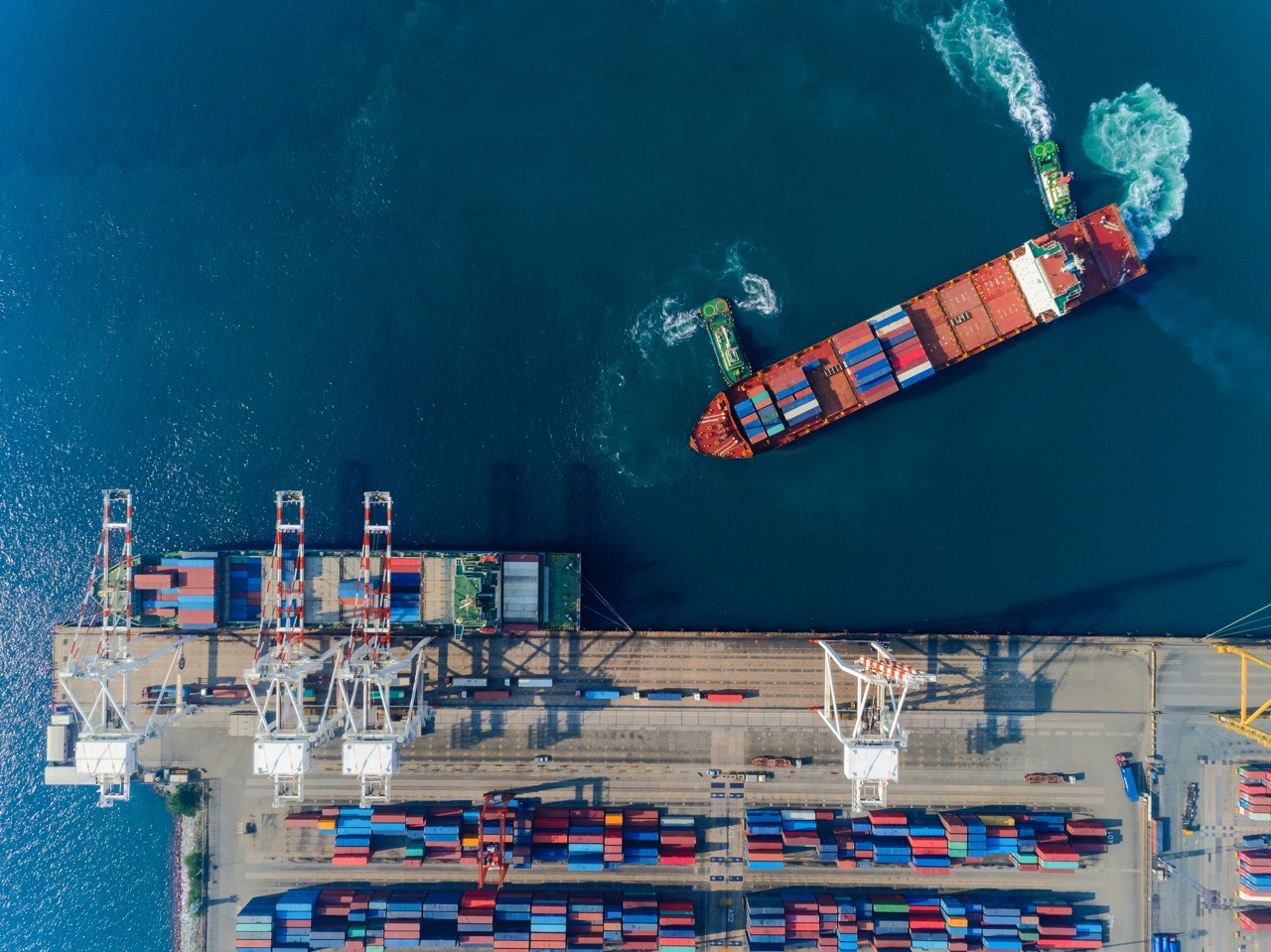
The distinction worth drawing is between China expanding its export volumes — which gets most of the press — and China reshaping the institutional architecture through which trade is governed. The latter is more durable and more consequential. Beijing has accelerated bilateral currency swap agreements with a dozen emerging market central banks since 2024, reducing the friction cost of settling trade outside the dollar system. These are not dramatic announcements. They are quiet plumbing changes that take years to reverse.
- China is now the top trading partner for more than 140 countries (WTO, 2025)
- RMB-settled cross-border transactions grew 28% year-over-year in 2024 (PBOC)
- Belt and Road active project count exceeded 3,000 as of Q1 2026 (Refinitiv)
- China-Gulf non-oil trade hit a record $270 billion in 2025 (China Customs)
- ASEAN-China trade surpassed $1 trillion for the third consecutive year (ASEAN Secretariat)
The Energy Angle That Compounds Everything
Iran, under continued sanctions pressure, has been selling oil to China at discounts estimated between $5 and $12 per barrel below Brent (Reuters, 2025). That discount is not charity — it is a structural subsidy to Chinese industrial competitiveness. Every dollar of discounted energy that flows into Chinese manufacturing is a dollar of cost advantage that American tariff policy cannot offset through duty schedules alone.
The arithmetic is not complicated. If Chinese steel producers are buying energy at a sustained discount while facing nominally higher tariff walls in American markets, they redirect capacity to markets where those walls do not exist. Latin America, Africa, and South and Southeast Asia have absorbed that redirected capacity at price points that domestic producers in those regions cannot match. The tariff wall contains nothing. It just reroutes the flow.
III. The Credibility Deficit and Its Market Consequences
Allies Are Running a Dual-Track Strategy
The most significant medium-term consequence of American policy incoherence is not that countries switch sides — they do not, at least not formally. It is that they run dual-track strategies: maintaining security alliances with Washington while deepening economic integration with Beijing. South Korea is the clearest case. Its semiconductor firms comply with American export controls on advanced chips to China while its conglomerates expand manufacturing joint ventures in Chinese industrial zones for products not covered by those controls.
This dual-track behavior is rational from the perspective of any mid-sized economy trying to manage geopolitical risk. It is also corrosive to the coherence of the American containment strategy, because it means the economic perimeter is porous even when the security perimeter holds. Investors pricing country risk in markets like Vietnam, Indonesia, or Mexico need to model this duality explicitly — the assumption that economic and security alignment move together is no longer reliable.
The Dollar's Slow Erosion as a Sanctions Tool
Every time Washington applies secondary sanctions — threatening third-country banks and firms with dollar system exclusion for doing business with Iran, Russia, or other designated parties — it accelerates the search for dollar alternatives. This is not a new observation, but the pace has shifted. The BRICS currency basket discussion, long dismissed as aspirational, has gained enough institutional momentum that central banks in Brazil, India, and South Africa are allocating staff and budget to contingency planning (BIS, 2025).
The dollar's reserve share has declined from roughly 71% in 2001 to approximately 58% today (IMF COFER). That is not a crisis. It is a slow structural shift, and it compounds China's position because Beijing has been the most consistent advocate for and beneficiary of the alternatives being built.
IV. What This Means for Capital Allocation
Where the Asymmetry Shows Up in Portfolios
The investment implication is not a binary bet on China versus the United States. It is a more granular question about which asset classes carry embedded assumptions of American institutional primacy that are now being quietly repriced. Sovereign debt spreads in markets with high Chinese trade exposure have compressed relative to those with high American trade exposure over the past 18 months — a signal that local investors are updating their views on which external anchor is more reliable in the near term.
- Gulf sovereign wealth fund allocations to Chinese equities rose ~15% in 2025 (Bloomberg)
- Southeast Asian FDI inflows from China outpaced US inflows for the second straight year (UNCTAD)
- African infrastructure financing from Chinese state banks exceeded $40 billion in 2025 (AidData)
- Latin American commodity export share to China hit 35% of total, up from 22% in 2015 (ECLAC)
The Positioning Question That Actually Matters
Commodity-linked assets in markets with deep Chinese trade ties — Chilean copper, Indonesian nickel, Gulf petrochemicals — carry a different risk profile than the same assets priced under the assumption of American demand primacy. The structural shift in who sets the marginal price for those commodities, and in whose currency those contracts are increasingly settled, is a portfolio construction question that most institutional allocators have not fully incorporated into their frameworks.
The United States retains enormous structural advantages — deep capital markets, military reach, and an innovation ecosystem that China has not replicated at scale. But strategic advantage is not static, and the compounding effect of self-inflicted credibility losses is that they lower the cost for rivals to make gains that would otherwise require significant effort. Beijing did not engineer American tariff incoherence or the Iran negotiation failures. It simply recognized that the most effective foreign policy move available to it right now is patience — and that patience, when the other side keeps stumbling, is indistinguishable from strategy.











































































Get in touch
We bring decades of global direct investment experience, enabled by cutting-edge technology and complete incentive alignment, to create exceptional opportunities for our investment partners.